Taiwanese Hokkien
| Taiwanese Hokkien | |
|---|---|
| Taiwanese | |
| 臺語 Tâi-gí / Tâi-gír / Tâi-gú | |
| Native to | Taiwan |
| Ethnicity | Hoklo Taiwanese |
| Speakers | L1: 6.9 million (2020)[1] L2: 12 million (2020)[1] Total: 19 million (2020)[1] |
Early forms | Proto-Sino-Tibetan
|
| Chinese characters (Traditional), Latin (Tâi-lô, Pe̍h-ōe-jī), Kana, Bopomofo (Taiwanese Phonetic Symbols), Hangul | |
| Official status | |
Official language in | Taiwan[b] |
| Regulated by | Ministry of Education in Taiwan |
| Language codes | |
| ISO 639-3 | – |
| Glottolog | taib1242 Taibei Hokkien |
| Linguasphere | 79-AAA-jh |
Proportion of residents aged 6 or older using Hokkien at home in Taiwan, Penghu, Kinmen & Matsu in 2010[10] | |
| Taiwanese Southern Min | |||||||||||||||||||||||||||||||||
|---|---|---|---|---|---|---|---|---|---|---|---|---|---|---|---|---|---|---|---|---|---|---|---|---|---|---|---|---|---|---|---|---|---|
| Traditional Chinese | 臺灣閩南語 | ||||||||||||||||||||||||||||||||
| Tâi-lô | Tâi-uân Bân-lâm-gí / Bân-lâm-gír / Bân-lâm-gú | ||||||||||||||||||||||||||||||||
| |||||||||||||||||||||||||||||||||
| Taiwanese speech | |||||||||||||||||||||||||||||||||
| Traditional Chinese | 臺灣話 | ||||||||||||||||||||||||||||||||
| Tâi-lô | Tâi-uân-uē / Tâi-uân-uā | ||||||||||||||||||||||||||||||||
| |||||||||||||||||||||||||||||||||
| Taiwanese language | |||||||||||||||||||||||||||||||||
| Traditional Chinese | 臺語 | ||||||||||||||||||||||||||||||||
| Tâi-lô | Tâi-gí / Tâi-gír / Tâi-gú | ||||||||||||||||||||||||||||||||
| |||||||||||||||||||||||||||||||||
| Taiwanese Hokkien | |||||||||||||||||||||||||||||||||
| Traditional Chinese | 臺灣福建話 | ||||||||||||||||||||||||||||||||
| Tâi-lô | Tâi-uân Hok-kiàn-uē / Hok-kiàn-uā | ||||||||||||||||||||||||||||||||
| |||||||||||||||||||||||||||||||||
Taiwanese Hokkien (/ˈhɒkiɛn/ HOK-ee-en, US also /ˈhoʊkiɛn/ HOH-kee-en), or Taiwanese (Chinese: 臺灣話; Pe̍h-ōe-jī: Tâi-oân-ōe), also known as Taigi (臺語; Tâi-gí),[11] Taiwanese Southern Min (臺灣閩南語; Tâi-oân Bân-lâm-gí), Hoklo and Holo,[12][13] is a variety of the Hokkien language spoken natively by more than 70 percent of the population of Taiwan.[14] It is spoken by a significant portion of those Taiwanese people who are descended from Hoklo immigrants of southern Fujian.[15] It is one of the national languages of Taiwan.
Taiwanese is generally similar to Hokkien spoken in Xiamen (Amoy), Quanzhou, and Zhangzhou, as well as dialects used in Southeast Asia, such as Singaporean Hokkien, Penang Hokkien, Philippine Hokkien, Medan Hokkien, and Southern Peninsular Malaysian Hokkien. It is mutually intelligible with the Amoy and Zhangzhou varieties at the mouth of the Jiulong River in China, and with Philippine Hokkien to the south in the Philippines, spoken altogether by about 3 million people.[16] The mass popularity of Hokkien entertainment media from Taiwan has given prominence to the Taiwanese variety of Hokkien, especially since the 1980s.
- ^ a b c Taiwanese Hokkien at Ethnologue (28th ed., 2025)
- ^ Mei, Tsu-lin (1970), "Tones and prosody in Middle Chinese and the origin of the rising tone", Harvard Journal of Asiatic Studies, 30: 86–110, doi:10.2307/2718766, JSTOR 2718766
- ^ Pulleyblank, Edwin G. (1984), Middle Chinese: A study in Historical Phonology, Vancouver: University of British Columbia Press, p. 3, ISBN 978-0-7748-0192-8
- ^ Hammarström, Harald; Forkel, Robert; Haspelmath, Martin; Bank, Sebastian (10 July 2023). "Glottolog 4.8 - Min". Glottolog. Leipzig: Max Planck Institute for Evolutionary Anthropology. doi:10.5281/zenodo.7398962. Archived from the original on 13 October 2023. Retrieved 13 October 2023.
- ^ "Draft national language development act clears legislative floor". focustaiwan.tw. 25 December 2018.
- ^ "立院三讀《國家語言發展法》 公廣集團可設台語電視台". ltn.com.tw. 25 December 2018.
- ^ "《國家語言發展法》立院三讀!政府得設台語專屬頻道". ltn.com.tw. 25 December 2018.
- ^ 大眾運輸工具播音語言平等保障法
- ^ Article 6 of the Standards for Identification of Basic Language Abilities and General Knowledge of the Rights and Duties of Naturalized Citizens Archived 25 July 2017 at the Wayback Machine
- ^ Table 6: Languages used at home for the resident nationals aged 6 years and over by gender and age, 2010 Population and Housing Census Archived 22 February 2015 at the Wayback Machine, Directorate General of Budget, Accounting and Statistics (DGBAS), ROC (Taiwan).
- ^ 自由時報電子報 (10 August 2019). "Taigi與台語". Liberty Times. Retrieved 10 August 2019.
- ^ Lee, Jack Tsen-Ta (28 April 2015) [2004]. "Hokkien". A Dictionary of Singlish and Singapore English. Retrieved 22 June 2020.
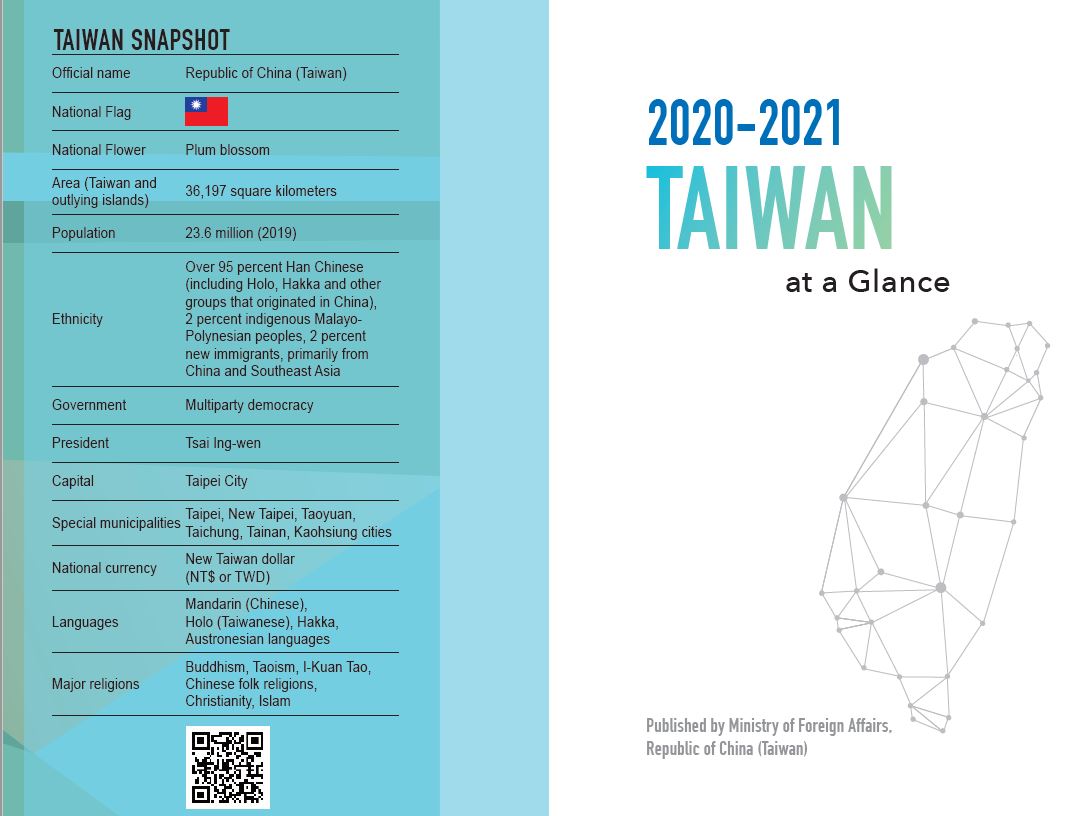
- ^ "TAIWAN SNAPSHOT". Retrieved 15 March 2020.
Languages Mandarin (Chinese), Holo (Taiwanese), Hakka, Austronesian languages
- ^ "Taiwan". Ethnologue. Archived from the original on 4 May 2005.
Principal languages
- ^ Dreyer, June Teufel (2003). "Taiwan's Evolving Identity". The Evolution of a Taiwanese National Identity (PDF). Asia Program Special Report. Vol. 114. Washington: Woodrow Wilson International Institute for Scholars. pp. 4–10. Archived from the original (PDF) on 25 March 2016. Retrieved 12 August 2016.
- ^ "Reclassifying ISO 639-3 [nan]: An Empirical Approach to Mutual Intelligibility and Ethnolinguistic Distinctions" (PDF). Archived from the original (PDF) on 19 September 2021.
Cite error: There are <ref group=lower-alpha> tags or {{efn}} templates on this page, but the references will not show without a {{reflist|group=lower-alpha}} template or {{notelist}} template (see the help page).